RECOVERY. REDEFINED.
MOVEMENT IS MEDICINE.
HEALING STARTS HERE.
BodyTech is built for people who refuse to let pain define them. We make the connection between science, movement, and recovery — and turn it into real results.
About Us
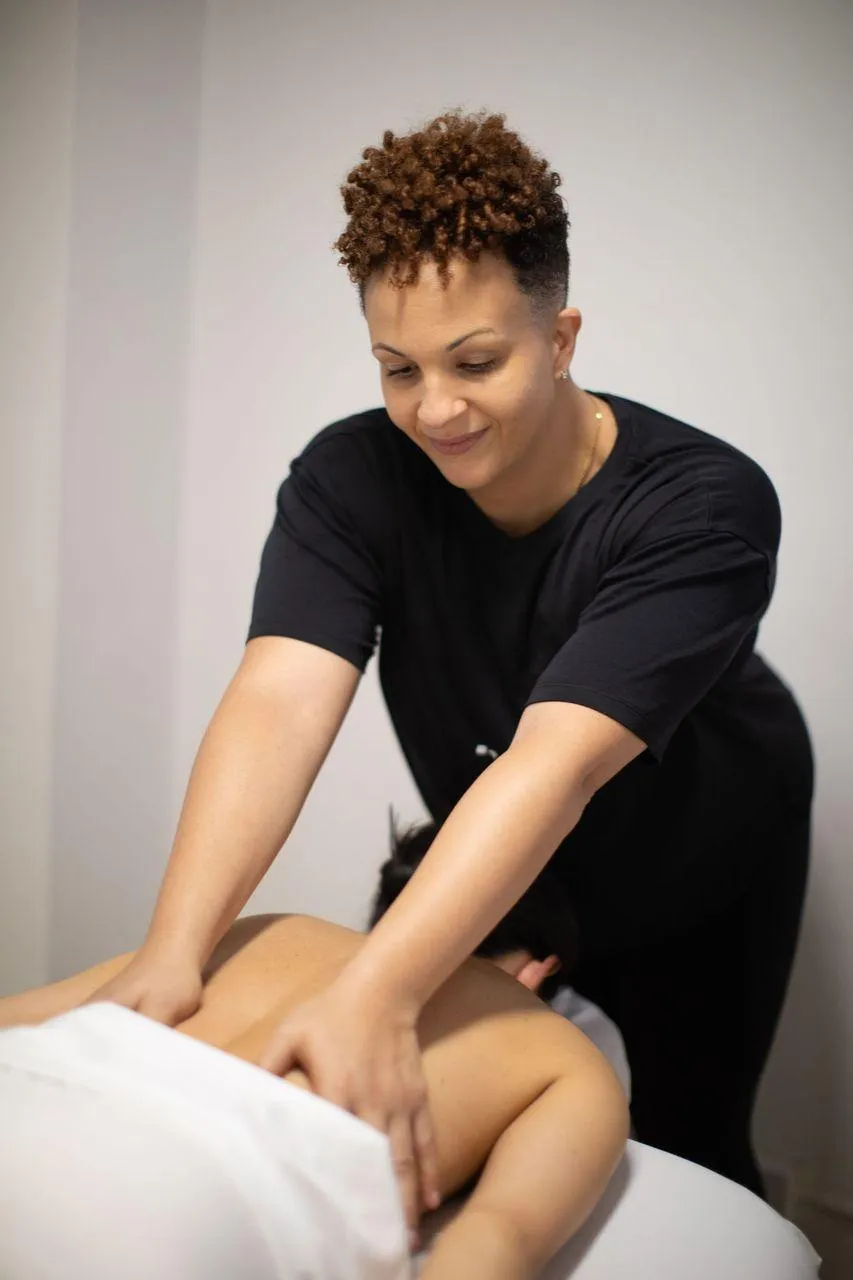
Built for Healing.
Backed by Purpose.
About BodyTech
Built for Healing.
Backed by Purpose.
At BodyTech, recovery isn’t just what we do — it’s who we are.
BodyTech was created to transform the way people experience healing: through movement, intention, and a deep understanding of the human body’s power to rebuild.
Whether you’re navigating post-surgical recovery, chronic pain, or performance plateaus, BodyTech provides the strategies, tools, and support to help you move forward with strength and purpose.
Our Services
Your Recovery, Your Way.

Therapeutic Recovery Sessions
Targeted therapy for pain relief, mobility, and restoration.

Post-Op Recovery & Lymphatic Drainage
Specialized support for faster, healthier healing.

Corrective Movement Coaching
Strengthen, stabilize, and move with confidence post-injury or for peak performance.
Pain Cycle Management Coaching
Break the cycle of chronic pain through movement, mindset, and behavior change.
featuring
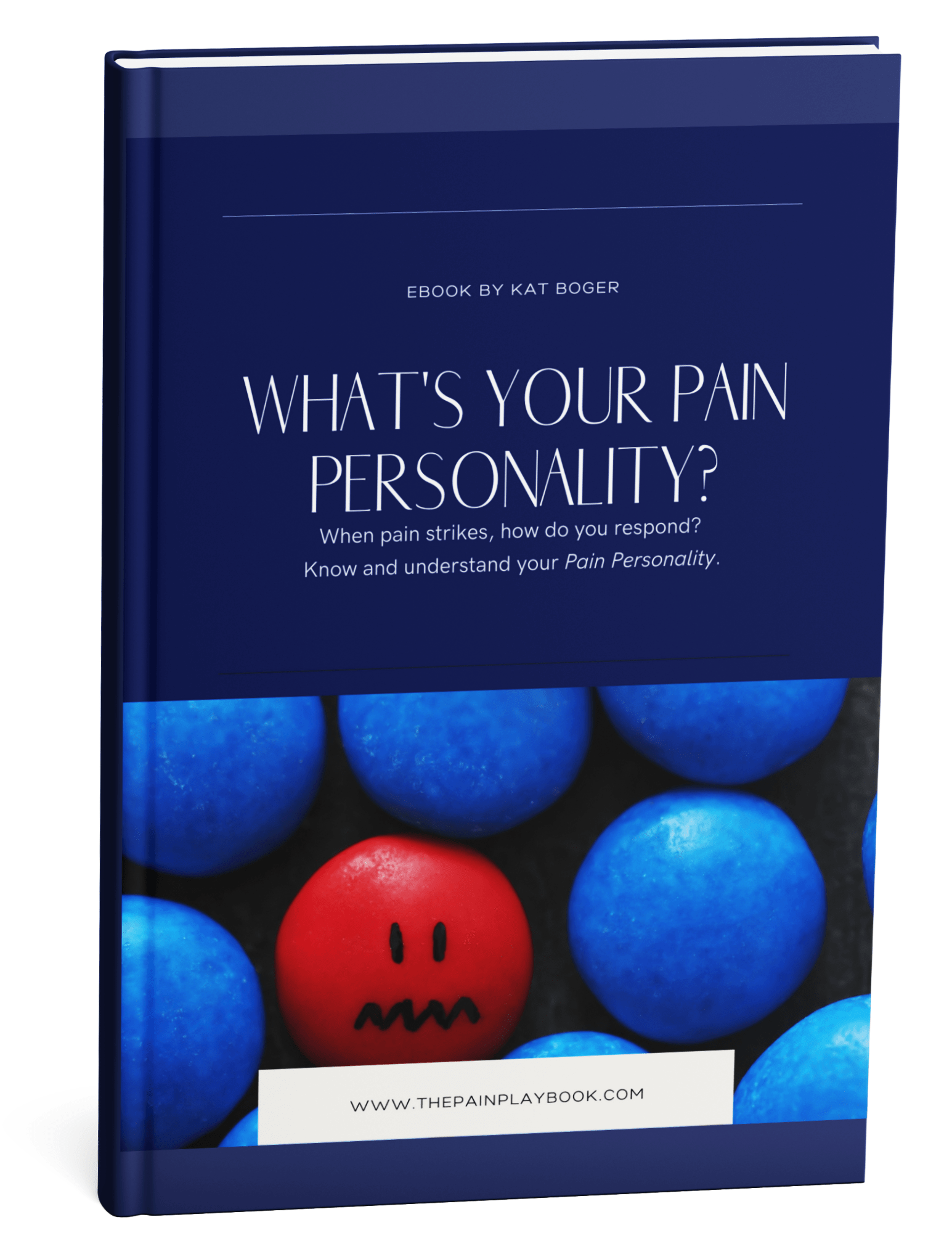
THE PAIN PLAYBOOK
Because Healing Isn’t Just Physical. It’s Personal.
The Pain Playbook is the education hub powered by BodyTech where we turn science and experience into self-management strategies you can use. From stress and pain to hormonal health and recovery hacks, we explore the why behind the work and how to reclaim control over your healing journey.
WHY BODYTECH?
Experience You Can Feel. Expertise You Can Trust.
Recovery built around you, not just your diagnosis.
Movement-based solutions rooted in science and experience.
Coaching that empowers you to self-manage, not just survive.
A team that treats you like a person, not a protocol.
Real Stories. Real Recovery.

Alex C.
trainer with hip pain & discomfort)
Alex C.
trainer with hip pain & discomfort)

Kat is a magician! It took her literally one minute to figure out what was causing my problems and I walked out pain free after one session!
Theresa P.,
client with lymphadema
Theresa P.,
client with lymphadema
Kat is a wonderful caring professional therapist.
Rob F.
Rob F.
Kat is amazing and, hands down the best in the business.
Clea M.
Clea M.
Pedro has been an incredible trainer with an impressive depth of knowledge and experience. At 55, I’m stronger than ever and excited to see what I can accomplish. With Pedro showing me, I can exceed my own expectations.
Stephanie W.
Stephanie W.
In the time that I’ve been training with Pedro, I’ve become stronger and fitter.”
Peter G.,
marathon runner
Peter G.,
marathon runner
I think I have a pretty low tolerance to pain, but Kat does a great job of getting deep into my muscles without causing a lot of pain."
Browse Our Articles
Nervous System Resilience
Nervous System Resilience
The Secret Weapon for 2026 Longevity
Everyone wants to talk longevity like it’s a lab result or a supplement stack. But if we’re being honest?
None of that matters if your nervous system taps out every time life gets loud.
Because longevity isn’t how long your body lasts. It’s how well your body can respond.
And nothing — absolutely nothing — predicts that better than your nervous system resilience.
The nervous system is the CEO of your body.
Muscles are employees.
Joints are middle management.
Hormones are the HR department trying their best.
But the CEO makes the decisions. And if the CEO believes, “We’re not safe,” everything tightens, guards, clamps down, or shuts off.
This is why two people can do the exact same workout, eat the exact same meals, and get wildly different results.
It’s not effort.
It’s not discipline.
It’s capacity.
Capacity shaped by the nervous system.
Why Nervous System Resilience Is the Missing Longevity Metric
Let’s break down the things people think steal longevity:
Aging
Stress
Sleep loss
Injuries
Workload
Hormones
Life being… life
These all definitely play a part. And here’s the twist: What actually steals longevity is how your nervous system responds to those things.
If your system interprets everything — deadlines, workouts, emotions, stairs, Instagram comments — as a threat?
Longevity drops.
If it has the bandwidth to respond instead of react?
Longevity expands.
That’s resilience.
We move away from saying, “bounce back.”
And we move more to saying, “move through without collapsing.”
Signs Your Nervous System Is Over Capacity
You don’t need a scan to know this. Your body will tell you:
You get tired fast when life gets chaotic
Everything feels heavier than it should
Your mobility disappears by the afternoon
Your tolerance for stress shrinks to a thimble
You’re clenching your jaw like it owes you money
You wake up wired or struggle to recover after simple workouts
This isn’t weakness. This is a system running out of runway.
What Actually Builds Nervous System Resilience (It’s Not Cold Plunges)
Let’s talk about the real inputs your nervous system listens to — the ones that actually move the needle:
1. Predictability
Chaos drains capacity. Predictable movement patterns build it. Your system wants to know: “Are we safe?” “Do we know what’s coming?”
If the answer is yes → range expands.
If the answer is no → range collapses.
2. Breath That Regulates, Not Performs
Breathwork isn’t for aesthetics. It’s how your body learns to exit fight-or-flight.
Slow exhale = safety signal.
Safety signal = capacity back online.
3. Strength You Can Control
Not maximum strength. Not chaotic strength. Not “new PR because the gym was loud today.”
Strength you can own. Control creates safety. Safety creates resilience.
4. Restoration That Isn’t Random
Bodywork, mobility, stretch, lymphatic support — these inputs aren’t “treats.” They’re how you get the system to reset enough to train longevity tomorrow.
5. Recovery That Starts Before You’re Fried
Resilience is built before you hit the wall — not after. That’s where most people miss it.
Why This Matters for 2025 (and Beyond)
Longevity isn’t about surviving longer.
It’s about operating better with less stress, less pain, less shutdown, and more capacity.
If you can handle more load, more life, more emotion, more movement without your system panicking, you’ve won.
Longer life is a side effect.
Better life is the goal.
The BodyTech Approach to Nervous System Longevity
We don’t separate strength from safety, or mobility from mindset, or recovery from real life.
We integrate everything your system needs to thrive:
Clinical recovery and hands-on therapy
Breath and nervous system resets
Movement that reinforces safety
Strength that increases capacity
Mobility that stays because your system supports it
This is longevity in practice.
Not theoretical.
Not aesthetic.
Not hustle culture’s version.
Functional longevity, where your body can handle what you love without breaking when life gets loud.
This is the real Secret Weapon going into 2026.
If you want to live better, start with your system, not your supplements.
Because when your nervous system expands, your whole life does, too.
Recover. Restore. Rebuild.
BodyTech NYC
Want more BodyTech insights on longevity, recovery, and building capacity in 2026?
Join the newsletter — where I break down the things that actually move the needle.

Ready to Move Forward?
Whether you’re recovering from surgery, managing pain, or ready to redefine how you move through life, we’re here for it. Recovery starts with the first step. Let’s take it together.
BodyTech NYC © 2025